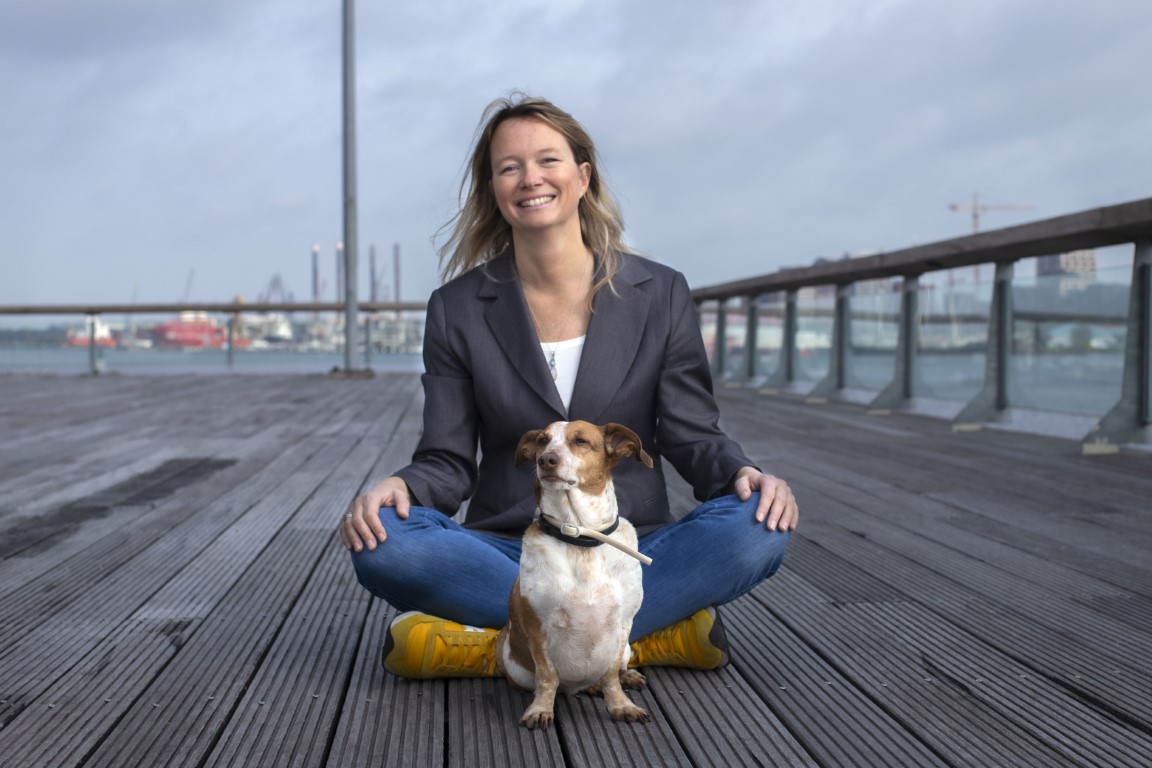


Carina Lintula manages the social media page of Animal Heroes Finland. For decades she has been active in animal protection, with a particular focus on protecting wolves and bears in her home country.
From zoology to activism
Carina originally studied zoology at the University of Helsinki, wanting a deeper understanding of when animal behaviour is normal and when it signals illness. Over time her interest broadened into environmental science and botany, as she came to realize that no animal exists in isolation — every individual is part of a much larger ecological whole.
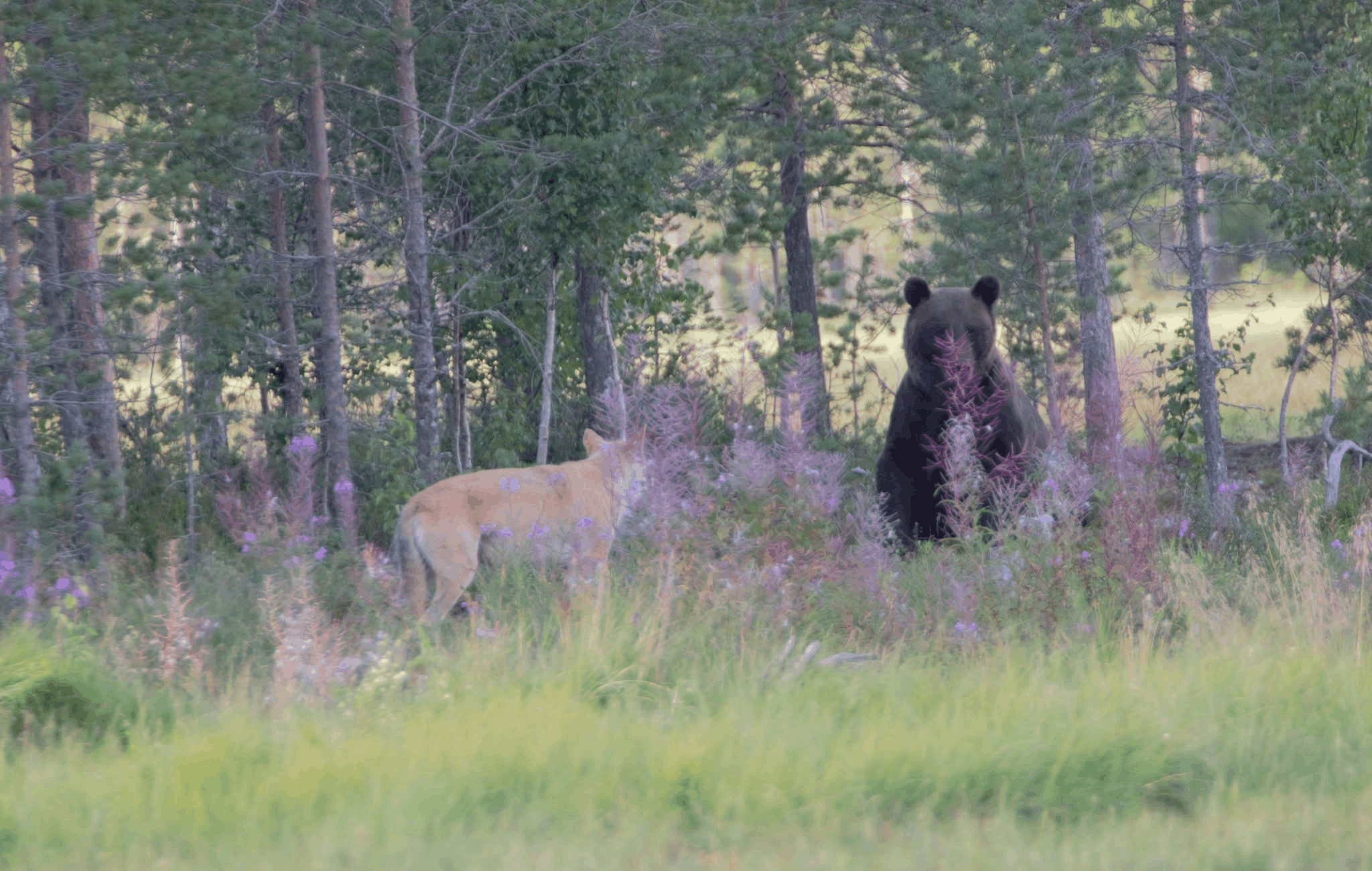
Her commitment to wolves began when she noticed how much inaccurate and highly emotional information was circulating about them in Finland. Through social media she found others who shared her concern, and in 2013 she and four others founded Suomen Susi 2013, an organization dedicated to wolf protection. What started as an effort to correct misinformation gradually grew into daily work involving legislation, scientific research and hunting permits. Together with her organization, Carina spent years fighting the Finnish wolf policy through the courts. The debate over wolf protection eventually reached the Court of Justice of the European Union, which in the so-called Tapiola case set concrete conditions for when protected wolves may be killed.
With bears, the trigger was different but the underlying principle the same: animals caught by a paw in traps meant for small predators were killed or ordered to be killed without anyone first checking whether their injuries could be treated. This led Carina to launch the Pyyntirauta project, bringing together veterinary and biological expertise to create an alternative to automatic killing.
“In both cases the underlying reason is the same,” Carina explains. “Wolves and bears are often discussed only as populations or risks. I believe each of them is also a sentient individual whose life has value. They cannot speak in the settings where decisions about their lives are made, so someone has to speak for them.”
Fighting for those who cannot speak
To deepen her legal knowledge, Carina completed the English-language AniLex programme in animal law at the Open University of Åbo Akademi. Together with other conservationists, she regularly prepares appeals against permits to kill wolves and other large carnivores — not against every permit, but only when there are genuine legal grounds.
She considers a “success rate” of such appeals misleading, because there are two very different kinds of success: winning the case, and saving the animal. If a permit is suspended during an appeal, the animal cannot legally be killed under that permit while the proceedings are pending. If the suspension is refused, the hunt can go ahead before a judge has ruled. That is exactly what happened in the wolf case in Värtsilä: the court eventually ruled the permits unlawful, but by then two wolves had already been killed. “A legal victory that comes after an animal’s death cannot bring that animal back,” Carina says. That is why she believes it is essential for courts to be given the time to examine a case before any killing takes place.
The Pyyntirauta project: change, but no animal saved yet
Carina is candid about the project’s track record: so far, not a single injured large carnivore has been successfully treated and released back into the wild through Pyyntirauta. Even so, the project has brought about real institutional change. Together with veterinarians, a biologist and photographer Jere Hietala, she built up expertise and equipment — including two tranquilizer rifles funded through a fundraising campaign — and worked with ministries to establish a new procedure.
That work contributed to a revision of Finnish police guidelines for incidents involving large carnivores, which have applied to all Finnish police forces since January 2022. The revised guidance places greater emphasis on an injured animal’s right to live and explicitly recognizes that killing is not the only possible response. It also allows the police to seek expert assistance from veterinarians and zoos. In practice this principle is still not applied consistently enough, and no animal has yet been saved this way — but the official alternative to automatic euthanasia now exists.
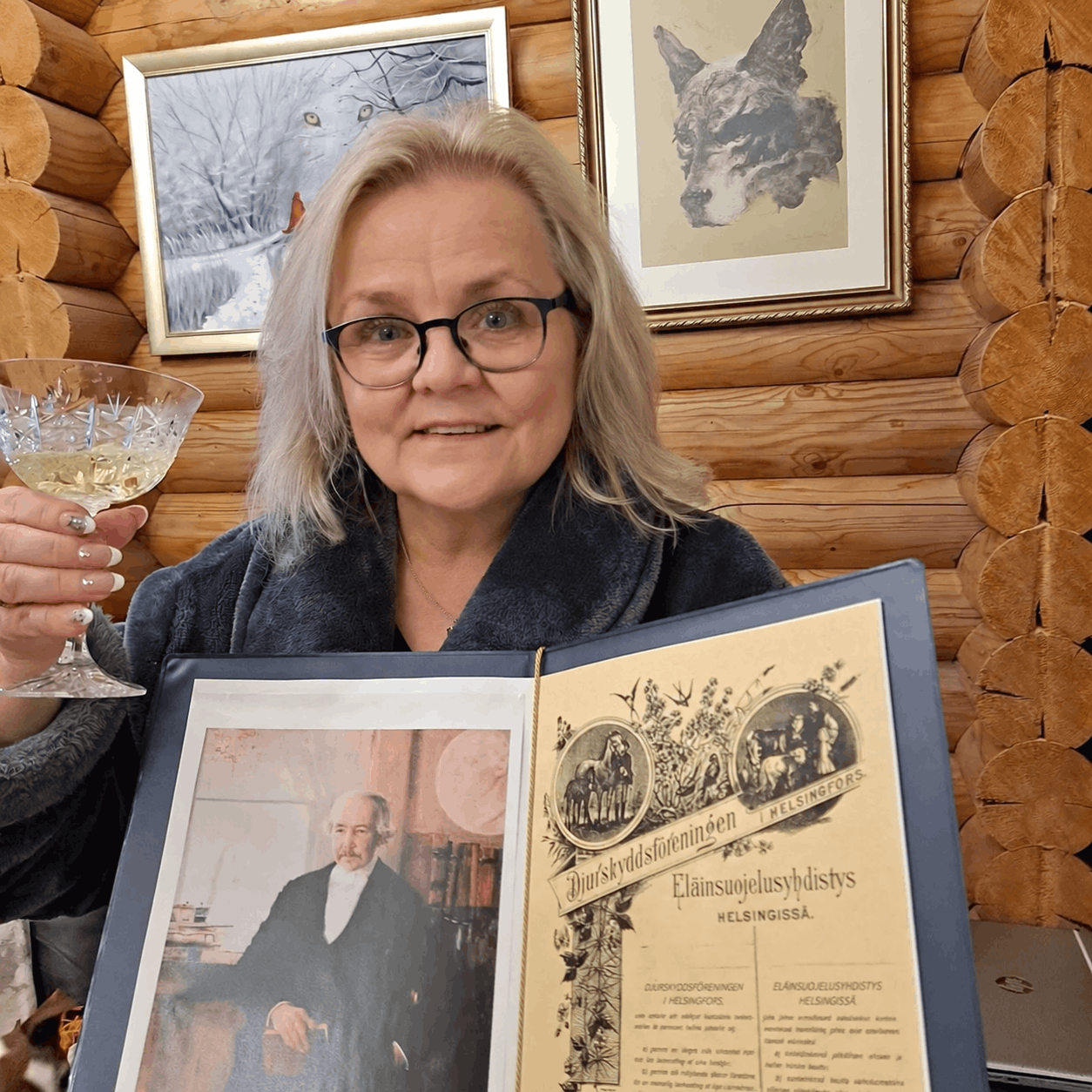
For her work to protect bears injured in small-predator traps, Carina received the Zacharias Topelius Animal Welfare Award in 2021, together with animal philosopher Elisa Aaltola. The award is presented by HESY, one of Finland’s oldest animal welfare organizations.
The cost of standing up for animals
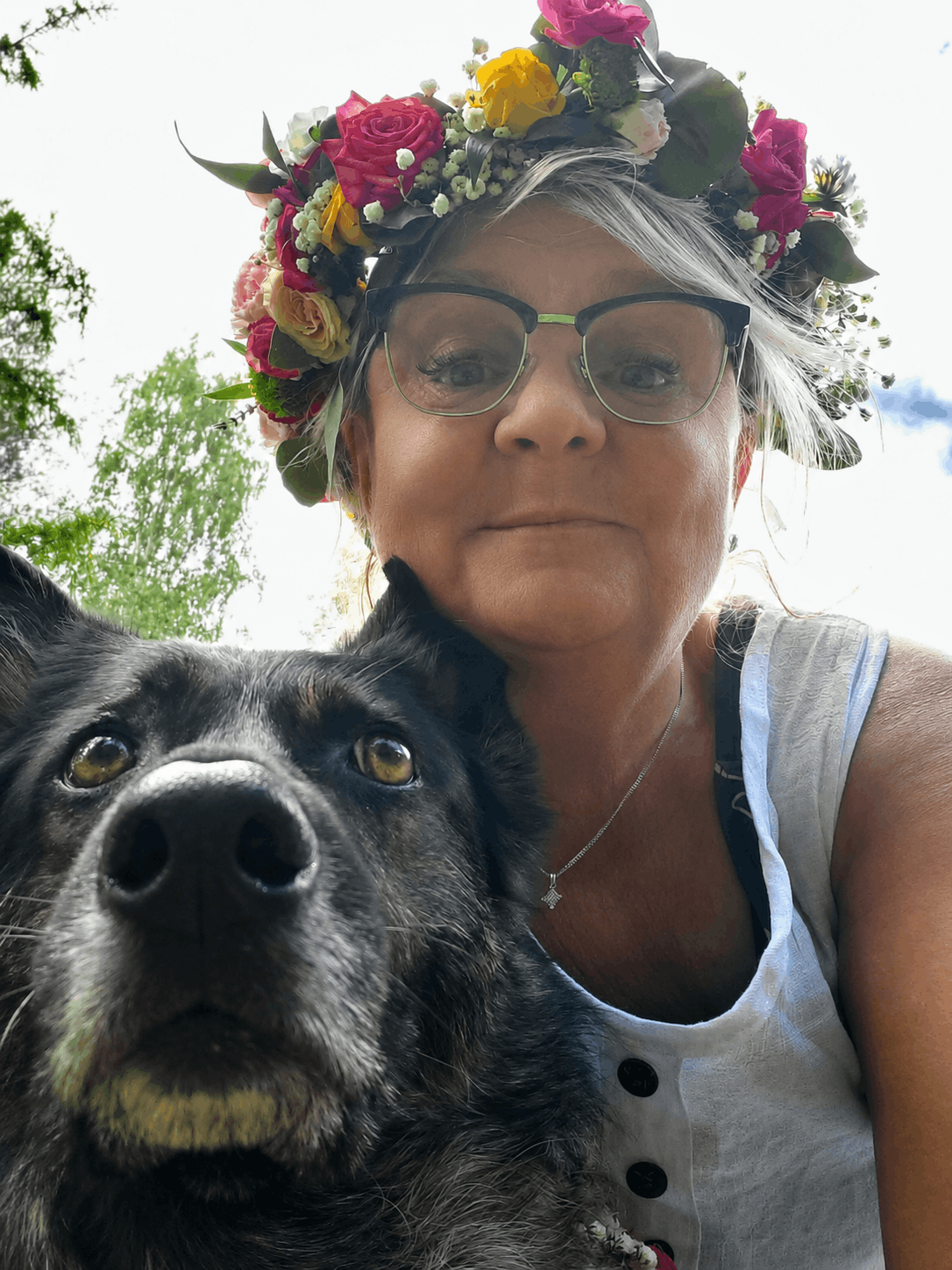
Carina’s work has not come without consequences. During the worst periods, she received direct threats against herself and her dogs several times a week. Her home address was published online, with invitations for people to come and “discuss things” in person. Even her illness was not spared: when chemotherapy caused her to lose her hair, people used it to mock her.
“These attacks are rarely attempts to discuss wildlife policy,” Carina says. “Their goal is to humiliate, frighten, isolate and silence.” Even so, she has refused to let them decide whether she gets to speak up for animals.
Help without borders
Alongside her work for wolves and bears, Carina also founded Eläimille apua – ilman rajoja (“Help for Animals Without Borders”), which she chairs. The organization provides practical help to animals across borders during major crises. Thanks to the efforts of countless people, companies and volunteers, it has delivered more than 200,000 kilos of animal feed to Ukraine and arranged the delivery of medicines and medical supplies worth approximately €1.5 million.
It was through this work that Carina met Esther Kef, who later founded Animal Heroes — a natural link between her earlier relief work and her current role.
The change she does see
Despite everything, Carina also sees hope. “I’ve seen a clear shift in the way people talk about animals. Far more people are now willing to defend them openly.” She believes that a growing public understanding of animal behaviour, intelligence and consciousness has helped people see animals differently — not just as populations, property or resources, but as individuals with needs, relationships and lives of their own.
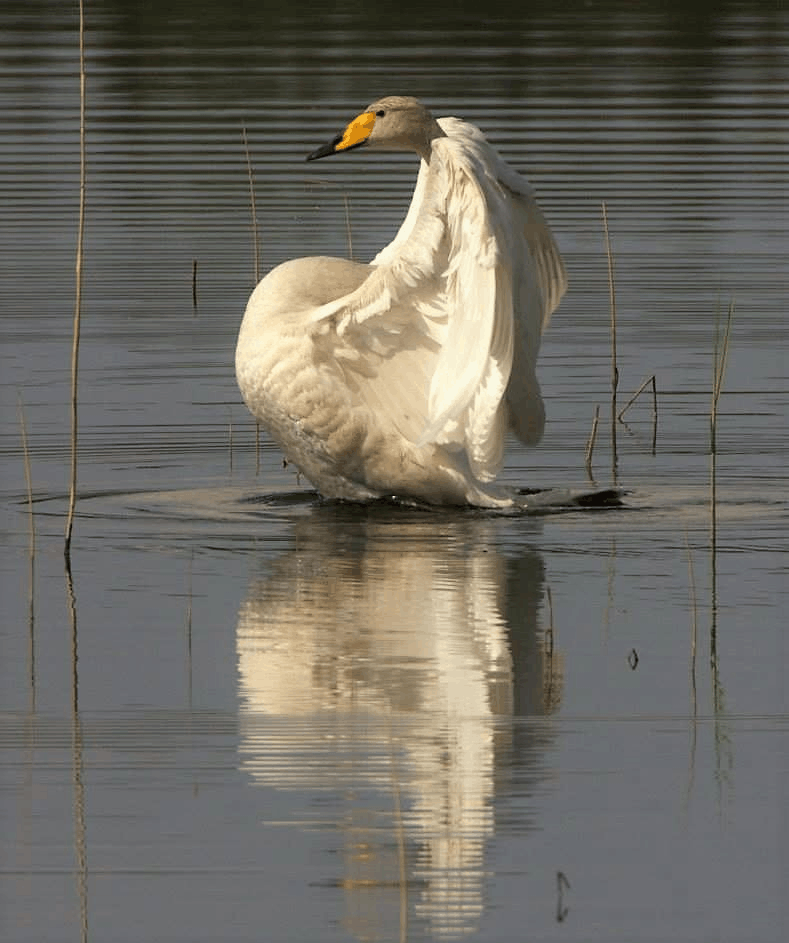
Carina has now lived for two years without a pet of her own, deep in a forest in Eastern Finland, on the shore of a small lake. She misses her dogs, but finds comfort in the rich wildlife around her. “Nature could survive perfectly well without people,” she says, “but people couldn’t survive a single day without nature. Understanding our dependence on the living world isn’t selfish — it may be one of the most important things we can learn.”