

Article written by Marianne Miltenburg
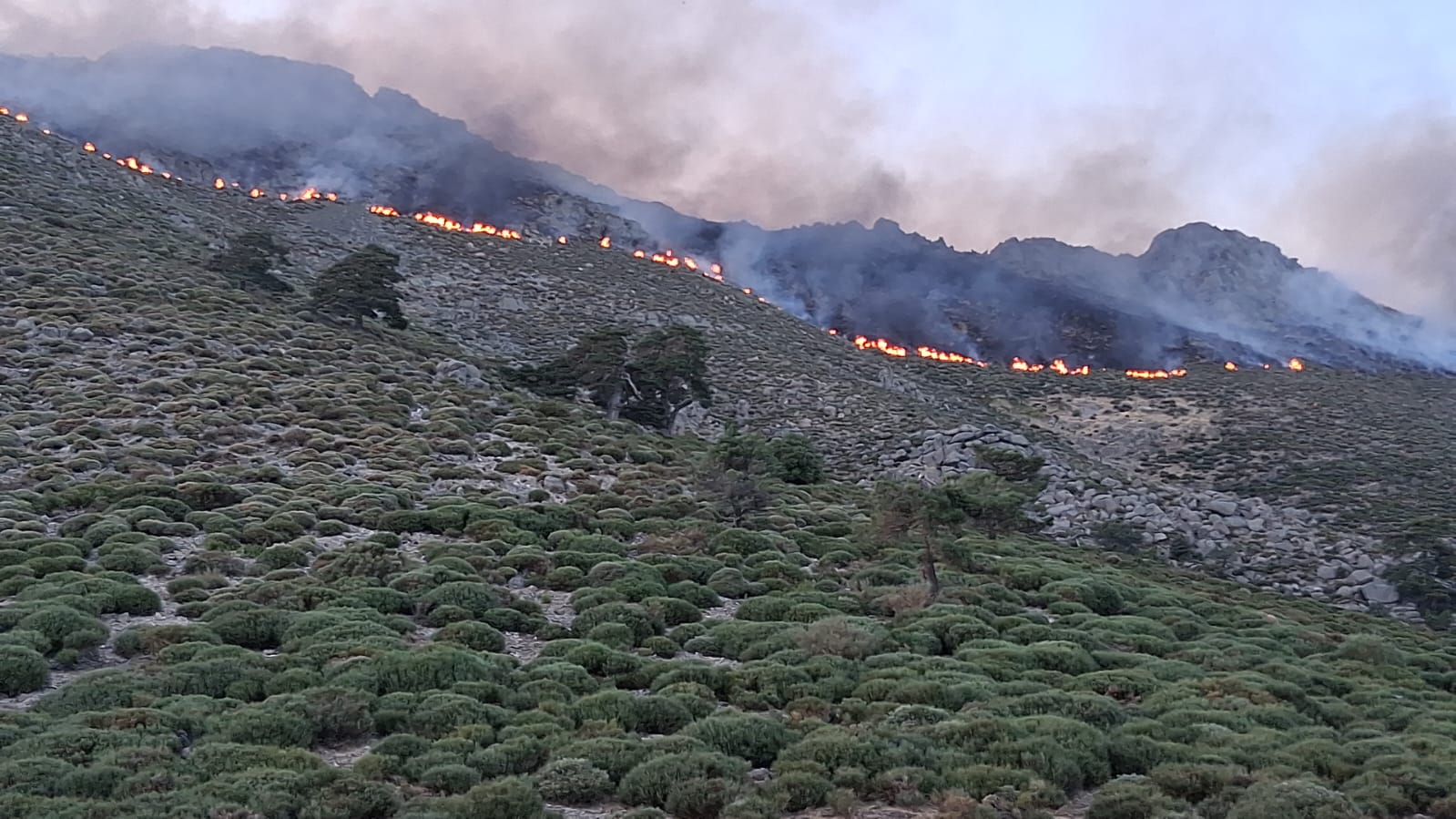
This summer, Europe was once again engulfed in flames. Major wildfires raged particularly in France, Spain, Portugal and Greece. By the end of July, more wildfires had already been recorded than in the whole of 2025 — a year that was itself considered exceptionally hot and dry at the time. While the human consequences receive extensive media coverage, the fate of the wild animals living in these areas largely remains out of sight. Yet the impact on them is at least as devastating.
Millions of animals affected, no official count
No one knows exactly how many animals have died this year. Unlike the figures that became available after disasters such as the Australian bushfires of 2019–2020, there is no systematic count of animal casualties from wildfires in Europe. At the time, an estimated 143 million mammals and billions of reptiles, birds and amphibians were affected. Experts who focus on animal welfare during disasters estimate that millions of animals have also died in European wildfires this year.
In the most intense fires, such as those around Bordeaux, experts say the chances of an animal surviving are virtually zero. Even animals that would normally be able to burrow underground, such as reptiles, insects and mice, die from the extreme heat, which penetrates deep into the soil.
Fleeing, suffocating, starving
The impact of a fire varies greatly between animal species. Large, fast-moving animals such as deer and foxes can sometimes escape in time, provided the fire does not spread too quickly. For slow-moving or less mobile animals — hedgehogs, lizards, amphibians and young animals that have not yet left the nest — escape is often impossible. Animals that hide underground may still succumb to suffocation or extreme heat during severe fires.
Smoke is also deadly, and not only at the site of the fire itself. Just as in humans, smoke damages animals’ airways, which can lead to weakness and death even at a distance from the fire.
Animals that survive the flames are not necessarily safe. After a fire, there is often no shrubbery or tree cover left to provide shelter. Animals that return or emerge from hiding find a scorched environment devoid of food and, without cover, become easy prey for owls, crows and other predators. Insect populations, an important food source for many species, can collapse locally, making recovery even more difficult.
New dangers after the fire
The problems do not stop once the flames have been extinguished. Animals that have lost their habitat sometimes move into built-up areas in search of food and shelter. This can lead to a noticeable increase in collisions with cars, as animals become disoriented and find themselves in unfamiliar territory. Ash and the chemicals used to fight the fires can also enter the soil and water, placing additional pressure on animals and their habitats. Burned soil is also more susceptible to erosion, which can have longer-term consequences for water quality and habitat.
A structural, growing problem
This summer’s fires do not stand alone. Europe is one of the fastest-warming continents in the world, meaning wildfires are expected to become more frequent, spread faster and become more difficult to control. This is alarming news for biodiversity: nearly 10,000 animal species that are already threatened worldwide will be exposed to the direct danger of these types of fires more frequently. For ecosystems, this means a long road to recovery — if recovery is even possible for vulnerable species that were already under pressure.
Like many other organisations working for animal welfare, Animal Heroes believes that better systems for recording animal casualties should be established across Europe, so that the true scale of these silent disasters can eventually be documented. Germany, for example, has been using the FireWatch system for some time: 360-degree rotating cameras mounted on high towers continuously scan the surrounding area and, under favourable conditions, can detect activity up to 40 to 60 kilometres away. A developing plume of smoke can sometimes be detected from around 20 kilometres away, after which AI software assesses whether it is actually smoke. If confirmed, an alert is sent to the German forest fire control centre. The earlier a fire is detected, the smaller it will generally remain, and the fewer habitats and animal lives will be lost.
As long as there is no structured monitoring of animal casualties, the picture of the impact on animals will remain largely a blind spot.
Animal Heroes takes action in Spain
The devastating wildfires around Madrid and Ávila are destroying habitats and leaving thousands of animals without food or shelter.
Alexandra Leiton Endara lives in Ávila, one of the hardest-hit areas. She is coordinating emergency aid for animals with volunteers from four villages in the affected area. Together, they have established a central collection point where urgently needed supplies are received and then distributed across the affected areas. They also keep track of who receives what, so that everything that comes in can be distributed fairly.
The most urgent needs are: birdseed and seed mixes for wild birds; food for rabbits and other small herbivores; feed for farm animals, including goats, sheep, cows, donkeys and horses; milk replacer for orphaned and rescued young animals; hay, straw and alfalfa for grazing animals; vegetables and fruit for herbivores and wild animals; corn, grain and acorns for wild boar and deer; and salt licks for grazing wildlife and livestock.
Every donation, large or small, helps provide life-saving support to animals affected by this disaster.
Do you want to help animals affected by Spain’s wildfires?